Almond Script: Crafting Elegance in Modern Design
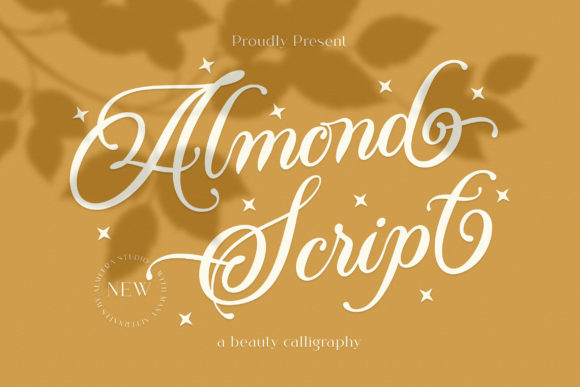
There’s a particular kind of design challenge that comes up often: the need for something that feels both personal and polished. You want warmth, but not casualness. You want flair, but not chaos. It’s in this sweet spot that a typeface like Almond Script finds its purpose. This thin lettered and graceful script font is more than just a collection of letters; it’s a tool for adding a specific, sophisticated character to your work. Its ravishing style, characterized by delicate, flowing strokes and a natural, handwritten rhythm, offers an immediate touch of elegance. For designers, marketers, and creators looking to inject personality without sacrificing professionalism, it’s a compelling option worth exploring.
The Anatomy of Elegance
At its core, Almond Script is a modern calligraphic typeface. Its visual personality is defined by its thin, consistent weight and graceful, connected letterforms. Unlike some heavy, dramatic scripts, it avoids visual noise. The thinness of the lines gives it a lightweight, airy quality, making it surprisingly versatile. It doesn’t shout; it whispers with confidence. The connections between letters feel organic, mimicking the flow of a skilled pen on paper, which helps it maintain readability even at smaller sizes—a common pitfall for many script fonts. This balance between expressiveness and legibility is its key strength.
Think of it as the typographic equivalent of a fine silk scarf or a piece of delicate filigree jewelry. It adds a layer of refinement and intention. This makes Almond Script particularly effective for projects where tone is paramount. It communicates care, attention to detail, and a certain artisanal quality. Whether you’re designing a logo for a boutique brand, laying out an elegant invitation, or crafting social media posts for a lifestyle product, the font helps establish a mood of understated luxury and personal touch.
Strategic Applications Across Projects
Knowing where a font like Almond Script excels is half the battle. Its strengths lie in applications where a human, elegant touch is required, rather than in long blocks of body text. Here’s where it truly shines:
- Brand Identity & Logo Design: For brands in the wedding, beauty, jewelry, artisanal food, or high-end service industries, Almond Script can form the cornerstone of a memorable logo. It instantly conveys a sense of bespoke quality and care. Pair it with a clean, geometric sans serif font for your body copy to create a beautiful contrast that ensures both style and readability.
- Editorial & Publishing: Magazine headers, pull quotes, and chapter titles in books can benefit from its graceful presence. It adds a touch of sophistication to editorial design, guiding the reader’s eye to key moments without overwhelming the page. It’s a fantastic creative font for adding visual interest to layout.
- Packaging & Product Design: Imagine this script on a candle label, a box of artisan chocolates, or a premium skincare bottle. It elevates the perceived value of the product, making it feel more curated and special. This is a prime example of how a premium font influences brand perception.
- Digital & Web Design: Used sparingly, Almond Script can add personality to website hero sections, email newsletter headers, or digital ads. It’s perfect for call-to-action buttons or highlighting special offers in a way that feels inviting rather than aggressive. Its clean design helps maintain a good visual hierarchy when paired with standard web fonts.
- Social Media & Marketing: In the fast-scroll world of social media, a distinctive font stops the thumb. Use Almond Script for quote graphics, sale announcements, or Instagram story text to create cohesive, on-brand social media graphics that stand out in a feed. It’s a powerful tool for consistent brand identity across platforms.
- Personal & Craft Projects: For wedding invitations, greeting cards, personal stationery, or even DIY decor, this font provides a professional-looking finish that’s hard to achieve with free, generic scripts. It’s a valuable design asset for any crafter’s toolkit.
Making Almond Script Work for You: Practical Guidance
Integrating any new typeface into your workflow requires a thoughtful approach. Here’s how to get the most out of Almond Script.
Evaluate the Fit
Before you commit, ask: Does the personality of this font match the voice of my project? Almond Script speaks of elegance, grace, and personal attention. It’s less suited for corporate tech startups or projects requiring a bold, industrial aesthetic. For a boutique hotel, a florist, or a custom jewelry maker, however, it’s a near-perfect match.
Master the Font Pairing
The real magic often happens in combination. Almond Script works beautifully as a headline or accent font paired with a sturdy, neutral counterpart. For a classic, timeless look, pair it with a traditional serif font. For a more contemporary, clean feel, a simple sans serif font like Montserrat, Lato, or Open Sans creates excellent balance. The key is contrast in structure, not in weight—ensure your body text remains highly readable.
Explore the Glyphs and Swashes
This is where the PUA encoding of Almond Script becomes a major advantage. Accessing all the alternate characters, swashes, and ligatures is straightforward, even in basic design software. Don’t just use the default letters. Experiment with the alternate ‘a’, ‘e’, or ‘g’ for a more customized look. Add a subtle swash to the beginning or end of a word for extra flair. This level of customization is what separates a generic use from a professional one.
Test for Readability
While Almond Script is more legible than many scripts, context is everything. Test it at the size you intend to use it. For logos and headers, it’s typically used at larger scales where its thin lines are clear. Avoid setting paragraphs of small text in any script font, including this one. Always prioritize your audience’s ability to read the message effortlessly.
Understand the Licensing
Almond Script is a commercial font. This means you are purchasing a license to use it in your projects, both personal and commercial. The specific terms of the license will depend on where you acquire it (e.g., a font marketplace or the designer’s own site). Always review the license agreement to ensure it covers your intended use, whether for client work, merchandise, or digital products. Using a properly licensed typeface is a hallmark of professionalism and respects the creator’s work.
In the end, choosing a typeface like Almond Script is about adding a specific tool to your creative arsenal. It’s not for every job, but for the right project, its graceful, thin letterforms and ravishing style can transform a good design into something truly gorgeous. By understanding its personality, applying it strategically, and pairing it wisely, you can leverage its elegance to connect with your audience on a more refined, personal level.